Amazonian Mushroom History and Scientific Background
· based on the channel Shroomverse
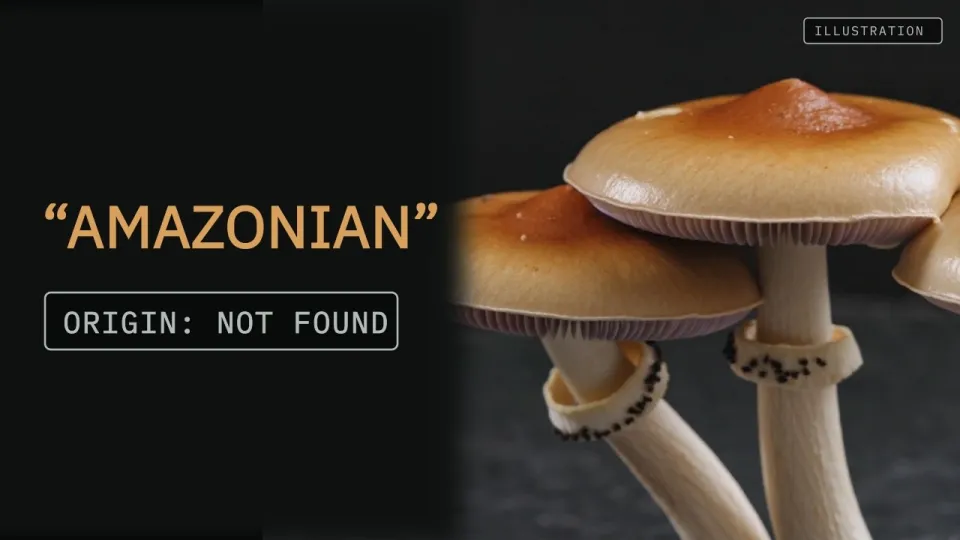
The Amazonian mushroom is a term commonly used to describe certain psychedelic mushrooms native to the Amazon rainforest, primarily species within the Psilocybe genus. These mushrooms have a complex scientific and cultural history that has evolved through early botanical research and recent taxonomic clarifications.
Origin of the Name Amazonian Mushroom
The term "Amazonian mushroom" originates from botanical and ethnomycological studies conducted in the early 20th century, where mycologists documented fungi used by indigenous tribes in the Amazon basin. Early papers often referenced these mushrooms under different scientific names due to limited classification tools at the time. The name reflects both the geographic origin and the cultural context of these mushrooms, which played a role in traditional spiritual practices.
Scientific Classification and Taxonomy
The Amazonian mushroom underwent several reclassifications as mycologists studied their morphology and genetic markers. Initially, many specimens were grouped under broad Psilocybe species names, causing confusion. Advances in molecular biology allowed clearer differentiation, confirming that these mushrooms belong to specific species adapted to the Amazon rainforest environment. Key papers detailed the synonymy and clarified the correct scientific names, eliminating earlier misnomers 07:45.
Cultural and Ethnomycological Importance
Indigenous Amazonian tribes have used these mushrooms in shamanic rituals and healing ceremonies for centuries. The mushrooms' psychoactive properties are linked to spiritual experiences and traditional medicine. Ethnomycologists emphasize the importance of respecting these cultural practices when studying or utilizing the mushrooms. The documentation of this cultural use in scientific literature helped sustain the "Amazonian mushroom" name and its recognition worldwide 12:30.
Ecological Role in the Amazon Rainforest
Beyond their cultural and scientific significance, Amazonian mushrooms contribute to the rainforest ecosystem by decomposing organic matter and forming symbiotic relationships with plants. This ecological role supports nutrient cycling and forest health. Recent ecological studies have started to map the distribution and habitat preferences of these fungi, highlighting their biodiversity importance in the Amazon 15:10.
Modern Research and Paper Trail
The video "Amazonian Mushroom: Following the Paper Trail Behind the Name" by Shroomverse meticulously traces the scientific literature that shaped the understanding of these mushrooms. It examines original species descriptions, taxonomic revisions, and ethnographic reports, creating a comprehensive paper trail. This research emphasizes the importance of historical context in current taxonomy and how scientific names reflect both biological and cultural histories 20:05.
Summary
The Amazonian mushroom is not only a biologically unique fungus but also a culturally significant organism with a rich history documented through scientific papers. It embodies a blend of traditional indigenous knowledge and modern scientific inquiry. Understanding its taxonomy, cultural importance, and ecological role requires following the detailed paper trail that researchers like those featured on Shroomverse have compiled.
Conclusion
The Amazonian mushroom’s complex naming history and cultural significance demonstrate the intertwined nature of science and tradition. Thanks to thorough research and documentation, the true identity and role of this mushroom in the Amazon ecosystem and indigenous cultures have become clearer. The channel Shroomverse provides an excellent analysis of this subject, linking historical papers with modern discoveries to deepen our understanding of these fascinating fungi.
Source: Shroomverse Amazonian Mushroom Video
Key takeaways
- Amazonian mushroom often refers to Psilocybe species native to the Amazon rainforest.
- The name traces back to early 20th-century botanical reports and ethnomycological studies.
- Scientific naming involved several reclassifications and synonym confusions.
- The mushroom's cultural significance is tied to indigenous Amazonian tribes.
- Recent research clarifies the taxonomy and ecological role of these fungi.
Questions & answers
What species does the term Amazonian mushroom usually refer to?
It generally refers to psychedelic mushrooms from the Psilocybe genus native to the Amazon rainforest, commonly used in traditional indigenous rituals.
Why has the scientific name of the Amazonian mushroom changed over time?
Early classification was based on limited morphological data, causing confusion and synonymy. Advances in molecular biology have clarified its taxonomy, leading to reclassification.
What cultural role do Amazonian mushrooms play?
They are used by indigenous tribes in spiritual ceremonies and healing, forming an essential part of Amazonian ethnomycology and traditional medicine.
How do Amazonian mushrooms affect the rainforest ecosystem?
They act as decomposers and form symbiotic relationships with plants, contributing to nutrient cycling and overall forest health.
Source: Amazonian Mushroom: Following the Paper Trail Behind the Name · Markdown version